
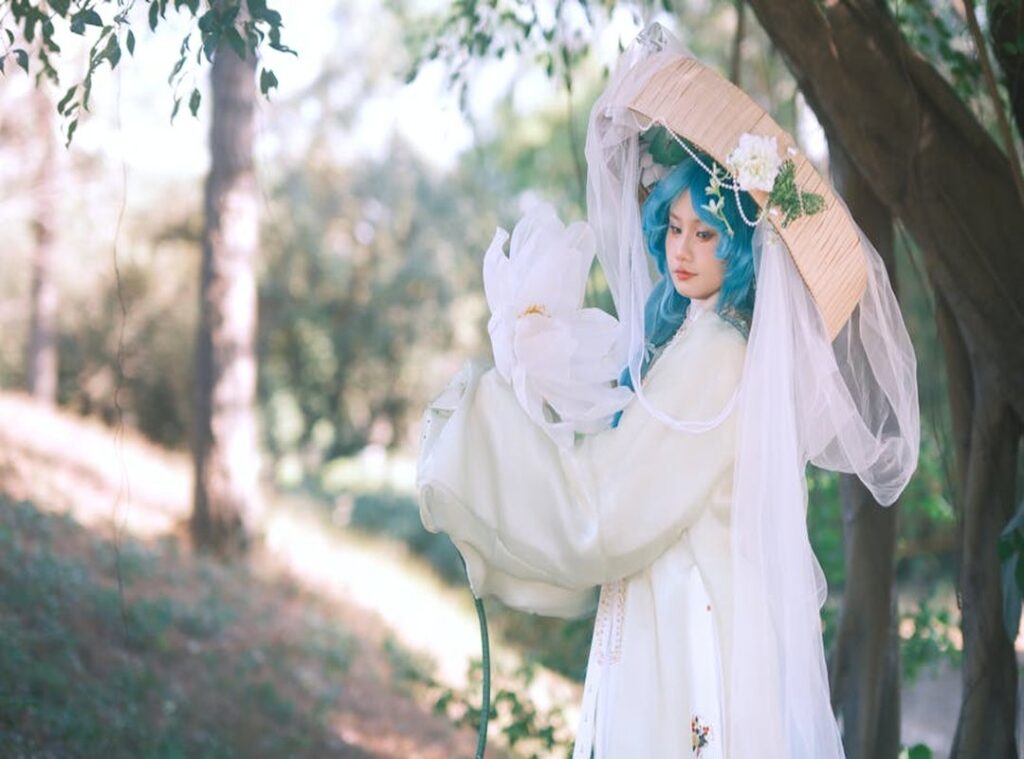
Imagine a girl with long turquoise pigtails, dressed in a futuristic outfit. She’s not from a traditional anime:uymqfys8hho= miku. She’s something entirely different.
Miku is a virtual idol, a digital creation that has taken the world by storm.
Why is she so revolutionary? That’s what we’re here to unpack.
This article will dive into Miku’s origins, her rise to global fame, and why she’s still a cultural force today.
We’ll explore the Vocaloid technology behind her and the passionate fan community that made her a star.
Miku isn’t just a character; she represents a major shift in music, art, and entertainment. Her story is essential for anyone who wants to understand modern pop culture.
What is a Vocaloid? The Technology Behind the Star
Vocaloid is a singing voice synthesizer software. It lets users create music by typing in lyrics and a melody. Simple, right?
Hatsune Miku is the ‘character persona’ for a specific voicebank developed by Crypton Future Media. They released it in 2007. Her voice was sampled from Japanese voice actress Saki Fujita.
This gives the software its unique vocal color.
Miku’s official character profile is a 16-year-old idol from the near-future. She has specific details like height, weight, and even a signature item: a leek.
The key difference between Miku and human pop stars? Miku’s entire musical catalog is created by her fans and users. This makes her an open-source, collaborative artist. anime:uymqfys8hho= miku
This means anyone can contribute to her music. It’s a community effort, and that’s what makes her so special.
From Niche Software to Sold-Out Stadiums: Miku’s Rise to Fame
I remember the first time I stumbled upon anime:uymqfys8hho= miku on Nico Nico Douga. It was a revelation. Producers were uploading original songs using her voice, and it felt like something entirely new.
Melt and World is Mine were some of her early hits. They weren’t just catchy; they defined a genre. These songs made her a legitimate musical entity, not just a niche software experiment.
Her live concerts? Mind-blowing. She performs as a life-sized 3D hologram projected onto a special screen, backed by a live band.
The energy in the stadium is electric. You can feel the passion from every fan.
Miku’s global reach is incredible. Sold-out tours across North America and Europe. High-profile collaborations, like opening for Lady Gaga.
It’s hard to believe she started as a simple software tool.
What’s most impressive is that this success wasn’t manufactured by a record label. It grew organically from a passionate online community of creators and fans. That’s the real magic of anime:uymqfys8hho= miku.
A Cultural Icon: Miku’s Impact Beyond the Music Industry

Miku, or anime:uymqfys8hho= miku as she’s known in some circles, is more than just a virtual singer. She’s a muse for a massive ecosystem of derivative works.
Millions of pieces of fan art, animations, and cosplay have been created by fans around the world. This community-driven creativity has turned her into a cultural phenomenon.
Her presence in video games is also significant. The “Project DIVA” rhythm game series, for example, introduced Miku to new audiences. These games not only showcased her music but also her vibrant personality and visual style.
Miku’s influence extends to mainstream advertising. Major brands like Toyota, Google Chrome, and Domino’s Pizza have featured her in their campaigns. This has cemented her status as a household name.
One of the most surprising ventures for Miku was her role in high culture. She starred in the opera “The End,” which featured no human singers or orchestra. It’s a testament to her versatility and the broad appeal of her character.
How does Miku challenge traditional ideas of celebrity and art? Well, she proves that a fictional, crowd-sourced character can achieve authentic cultural significance. But let’s be honest, it’s not always clear how this happens.
There’s a lot of debate about what makes a virtual character so impactful.
Streaming platforms have played a crucial role in driving game awareness and expanding Miku’s reach. how streaming platforms driving game awareness
- They provide a platform for creators to share their work.
- They help build communities around shared interests.
- They amplify the visibility of characters like Miku.
In the end, Miku’s impact is a mix of innovation, community, and a bit of mystery. And that’s what makes her so fascinating.
The Secret to Her Enduring Appeal: Why We Still Love Miku
Miku’s ‘blank canvas’ nature is a big part of why she’s still so popular. She can be anything a creator wants, from a rock star to a ballad singer. This flexibility means she never gets old.
But it’s not just about her adaptability. The sense of community and participation around Miku is incredibly strong. Fans aren’t just passive consumers; they’re active co-creators in her story.
They write songs, create art, and even develop their own versions of Miku.
Her virtual nature adds another layer. It allows for endless creative freedom. Miku can perform songs and visuals that would be impossible for a human artist.
This opens up a world of possibilities.
And let’s not forget her design. It’s instantly recognizable, aesthetically pleasing, and easy for fans to replicate and reinterpret. anime:uymqfys8hho= miku has become a symbol that everyone can relate to and make their own.
Her sound is also constantly evolving. As new generations of music producers discover the software, they bring fresh genres and styles to her voice. This keeps her music fresh and exciting.
So, if you’re a fan or thinking about diving into the Miku universe, my advice is simple. Embrace the creativity. Try making your own Miku content.
Join the community. You’ll find a welcoming and vibrant group of people who share your passion.
The Enduring Legacy of the World’s Favorite Virtual Idol
Miku‘s incredible journey began as a simple piece of software, designed to help musicians create vocal tracks. Over time, she evolved into a global cultural phenomenon, captivating audiences with her vibrant performances and infectious energy.
Her true power lies not in her programming, but in the boundless creativity of the global community that supports her. Fans from around the world contribute to her music, art, and stories, making her a unique and ever-evolving figure.
Miku is more than just an anime:uymqfys8hho= miku character—she is a symbol of the future of entertainment, art, and collaborative creation. Her success has shown that virtual idols can bridge the gap between technology and human creativity.
As long as people have stories to tell and songs to sing, Miku‘s voice will never fade. Her legacy paves the way for a new era of virtual influencers and digital artists, redefining what it means to be a star in the digital age.
 Esports Trends Analyst & Community Programs Manager