
Adult bears, whether in the wild or in captivity, face a lot of health issues. These osos maduros enfermedad can really impact their quality of life and how long they live. It’s important to understand these conditions, their causes, and how to manage them.
This article is based on expert veterinary advice and the latest research in bear health. If you’re involved in the care and conservation of adult bears, this information is essential.
Common Health Conditions in Adult Bears
Have you ever wondered what health issues adult bears face? Let’s dive into some of the most common ones.
Arthritis:
Joint pain and inflammation can be a real problem for older bears. It’s not just about limping; it can seriously affect their quality of life. Causes can range from age-related wear and tear to injuries.
Treatments often include pain relief, physical therapy, and sometimes even surgery.
Dental Issues:
Tooth decay and gum disease are more common than you might think. Bears, like us, need good dental hygiene. Regular check-ups and cleanings can help prevent these problems.
But if they do occur, treatments can range from simple cleanings to more complex procedures.
Obesity:
osos maduros enfermedad is a growing concern. Extra weight can lead to a host of other health issues, including heart disease and diabetes. Weight management is crucial.
This can involve adjusting their diet and increasing their physical activity. Simple changes can make a big difference.
| Condition | Symptoms | Treatment Options |
|---|---|---|
| Arthritis | Limping, joint swelling, reduced mobility | Pain relief, physical therapy, surgery |
| Dental Issues | Tooth decay, gum disease, bad breath | Regular cleanings, dental procedures |
| Obesity | Excess weight, difficulty moving, fatigue | Diet adjustment, increased exercise |
Sound familiar? These conditions aren’t just human problems. Bears face them too, and understanding how to manage them can make a huge difference in their lives.
Nutritional Needs and Diet-Related Conditions
When it comes to balanced diets for adult bears, it’s all about getting the right mix of essential nutrients. Carbs, proteins, fats, vitamins, and minerals—each plays a crucial role in maintaining optimal health.
Malnutrition can be a real issue. Symptoms like weight loss, lethargy, and poor coat condition are clear signs. Long-term effects?
We’re talking about weakened immune systems and organ damage. To avoid this, ensure a varied diet with plenty of fresh fruits, vegetables, and lean meats.
| Symptom | Long-Term Effect |
|---|---|
| Weight Loss | Weakened Immune System |
| Lethargy | Organ Damage |
Food allergies and intolerances are another thing to watch out for. Allergies can cause severe reactions, while intolerances lead to digestive issues. Identifying these can be tricky.
Keep an eye on how your bear reacts to different foods and consult a vet if you notice any unusual symptoms.
Now, let’s compare two common scenarios: food allergies vs. food intolerances. Food allergies involve the immune system and can be life-threatening. Intolerances, on the other hand, are usually less severe and related to digestion.
For example, a bear might have an allergic reaction to certain nuts, while another might just have trouble digesting dairy.
Managing these conditions is key. For allergies, strict avoidance of the allergen is necessary. For intolerances, moderation and finding alternatives work well.
Lastly, there’s a specific condition called osos maduros enfermedad that affects mature bears. It’s linked to nutritional deficiencies and can be managed with a carefully balanced diet and regular veterinary check-ups.
Stay informed and proactive. Your bear’s health depends on it.
Parasites and Infectious Diseases
Internal parasites can be a real pain. Types of internal parasites include worms, protozoa, and flukes. Symptoms vary but often include digestive issues, weight loss, and fatigue.
Effective treatment methods usually involve medications like dewormers and antiparasitics.
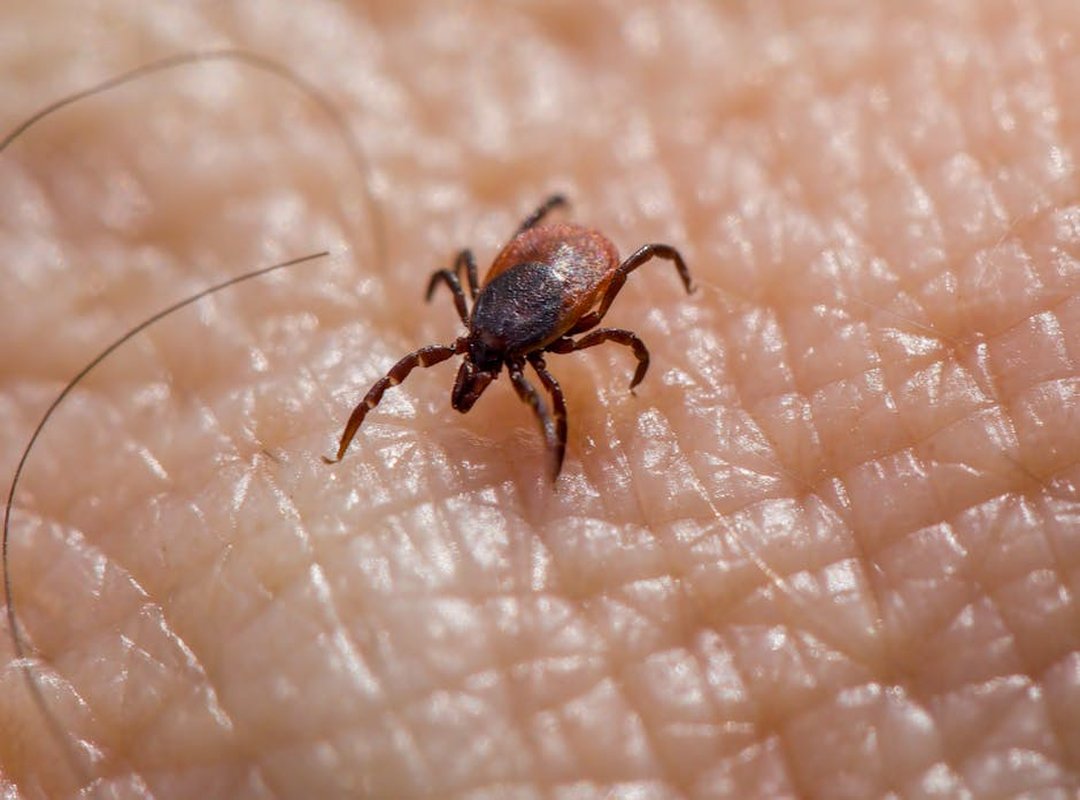
External parasites are just as troublesome. Common ones are ticks and mites. They can cause skin irritation, itching, and even transmit diseases.
Controlling them involves using repellents, regular checks, and keeping your environment clean.
Infectious diseases are another big concern. They spread through various means, such as contact, air, or vectors like mosquitoes. Preventive measures include vaccinations, good hygiene, and avoiding close contact with infected individuals.
One example is osos maduros enfermedad, which highlights the importance of understanding and managing these health threats. Staying informed is key. weekly gaming news top stories and highlights
Behavioral and Mental Health Concerns
Stress and anxiety are real issues for adult bears. They face a lot of pressure in their natural habitats, and sometimes even in captivity.
Some people argue that stress in bears is just part of nature. They say we shouldn’t interfere. But I disagree.
We can create a stress-free environment by understanding the causes and making simple changes.
Common causes include habitat loss, human interference, and competition for resources. By minimizing these, we can help them feel more at ease.
Behavioral problems in bears can also be a sign of underlying stress. These might include aggression, pacing, or self-mutilation. It’s not just about the bear acting out; it’s a cry for help.
Some folks think that once a bear has behavioral issues, there’s no going back. That’s not true. With the right strategies, like positive reinforcement and environmental enrichment, we can make a big difference.
Training and behavior modification take time and patience. But it’s worth it. A well-adjusted bear is a happier, healthier bear.
Osos maduros enfermedad can be a serious issue. It’s important to address both the physical and mental aspects of their health. Ignoring one can lead to bigger problems down the line.
Preventive Care and Regular Check-Ups
Regular veterinary visits are a must. They help catch issues early, saving you and your bear a lot of trouble.
Vaccinations are crucial. Make sure to follow the recommended schedule for adult bears.
What to expect during a check-up? The vet will do a thorough physical exam, checking for any signs of osos maduros enfermedad or other health issues.
They’ll also ask about your bear’s behavior and diet. Be honest. It helps them give better advice.
Pro tip: Keep a health journal. Note any changes in appetite, mood, or activity. This info can be a lifesaver during vet visits.
Stay on top of those vaccinations. It’s not just about protecting your bear; it’s about keeping the whole community safe.
Ensuring the Longevity and Well-Being of Adult Bears
The article highlights several key health conditions that can affect osos maduros enfermedad. Regular veterinary check-ups are crucial to detect and manage these conditions early. A balanced diet, rich in essential nutrients, supports their overall health.
Creating a stress-free environment is also vital, as stress can exacerbate many health issues. By staying informed and proactive, caretakers can ensure the best possible care for adult bears. Professional veterinary advice should be sought regularly to tailor the care plan to the specific needs of each bear.
 Esports Trends Analyst & Community Programs Manager