
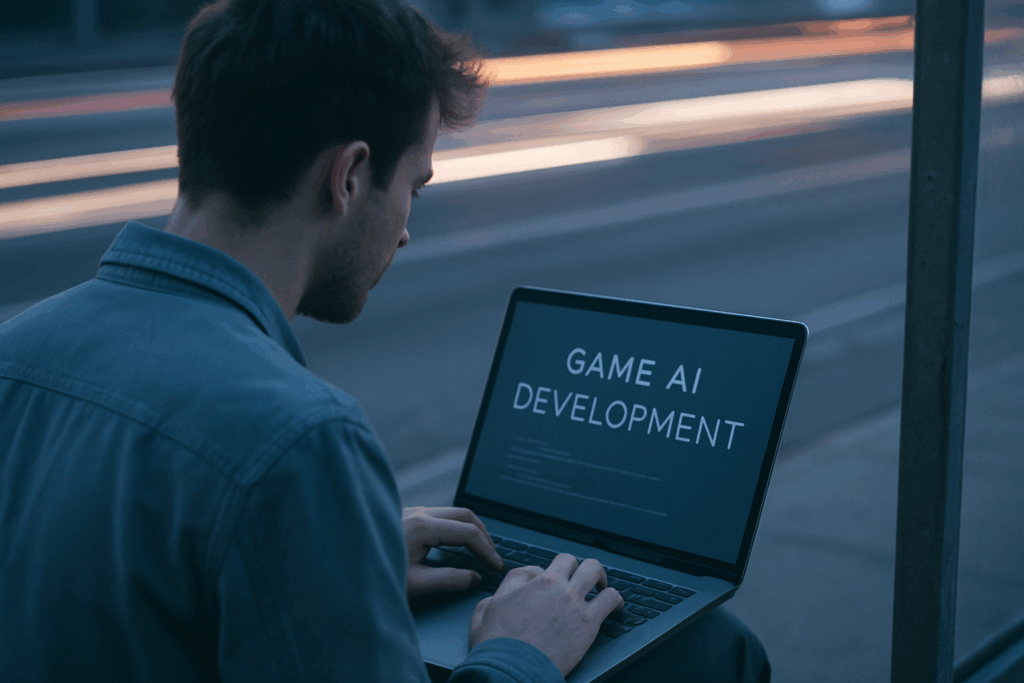
Smarter Worlds, Faster Workflows
AI isn’t just helping with development anymore it’s reshaping the foundation of how games are made and played. From the smallest indie studios to global AAA powerhouses, AI tools have become standard issue. They’re built into engines, pipelines, and even post launch support. It’s no longer a bonus feature. It’s baked into the DNA.
Why? Because the bar has risen. Players today expect intelligent NPCs, flexible narratives, and worlds that feel alive. Static environments aren’t cutting it. Games succeed when they react when characters respond to choices, enemies adjust to tactics, and environments reflect consequence. That level of immersion? It’s driven by machine learning, procedural logic, and neural networks working behind the curtain.
The upside for developers is hard to ignore. Faster testing, smarter automation, and new creative possibilities mean more can be done with less. That’s crucial in an industry where deadlines are tight and budgets even tighter. AI lets teams punch above their weight class, whether you’re coding in a garage or managing hundreds of people across time zones.
Bottom line: AI isn’t extra. It’s essential.
AI Behind the Scenes
Game development isn’t just about storyboards and late night coding anymore it’s a data driven process, and AI is speeding it up. Studios are using machine learning not just to polish final builds, but to lay the foundation. Character models, environment textures, and entire level layouts can now be generated or at least prototyped faster than ever.
Procedural generation, once a novelty, is now routine in genres where scale matters. Think sprawling dungeons, dynamic maps, or endless item variations. It’s not about removing the human touch, just giving devs more time to refine what actually matters: gameplay feel, balance, and personality.
Then there’s testing and QA. Machine learning models are now trained to predict bugs, identify frame drops, or flag logic issues before a human tester even hits start. It’s not perfect, but it’s saving both budget and burnout.
Studios, from lean indie outfits to big budget powerhouses, are leaning into AI not to replace talent but to clear the path. Less grind, more creativity. Faster builds, cleaner code. Done right, it shortens dev cycles and raises game quality across the board.
Explore AI in modern gaming
AI On the Front Lines

Game AI isn’t just about enemies running at you from smarter angles anymore. It’s about giving virtual worlds life not just logic. These days, NPCs (non player characters) are learning more than basic patterns. They adapt. Miss a few shots in a firefight? The AI might ease up. Dominate too quickly? Expect tougher moves next round. It’s reactive design that works in real time, all under the hood.
Dynamic difficulty based on player behavior is no longer experimental. Studios are leaning into it to keep gamers in the zone engaged but not frustrated. Whether it’s tactical tweaks or AI companions that shift strategies depending on your gameplay habits, the experience feels more custom with every session.
Voice and dialogue systems are also leveling up. AI generated voiceovers can now riff off your decisions mid game, creating dialogue trees that feel less pre recorded and more alive. In sprawling RPGs or open world games, this means richer conversations, more nuanced quests, and characters that actually feel like they remember you.
Look at how some AAA RPGs are using AI to script thousands of unique interactions no longer relying heavily on stock phrases or repetitive barks. Instead of a static game world, you get one that evolves with you. That’s not just immersion. That’s progress.
Changing the Creative Process
From Creator to Collaborator
The role of game designers is shifting. Instead of being the sole architects of worlds and narratives, they are increasingly working alongside AI tools as creative partners. This collaboration allows for quicker prototyping, deeper gameplay systems, and more varied narrative paths than ever before.
Designers use AI for idea generation and concept testing
AI supported tools help expand creative scope without expanding team size
Human vision still leads AI simply speeds up the process
Storytelling: Machine Logic Meets Human Emotion
AI can generate storylines, create branching dialog systems, and adapt to player decisions. Still, it lacks the nuance of true human storytelling. The most powerful games of today blend both elements:
AI handles complex variables and reactive narratives
Writers ensure emotional resonance, thematic consistency, and intentional design
AI helps fill in the gaps but doesn’t replace the heart of a story
Originality: Enhanced or Eroded?
There’s growing concern that AI may dilute originality in game development. It’s a valid worry but it’s all about how the tool is used.
Potential risks:
Over reliance on templates and AI generated assets can homogenize games
Speed can sometimes be prioritized over intentionality
The upside:
AI frees up human creators to focus on higher level storytelling and design
Unique voices can shine when supported by AI driven production efficiency
Ultimately, AI doesn’t create meaning it helps creators do more with theirs. The future lies in co creation, not replacement.
What’s Next for AI in Games
AI in gaming is moving past background processes and into something deeply personal. Predictive personalization is the big swing games learning how you play, what you like, and adjusting the experience on the fly. Whether it’s offering custom missions, recommending playstyles, or shifting the game’s tone, AI is quietly turning every session into your own tailored story.
And then there’s the emotional layer. AI companions are no longer hollow quest givers. They’re learning to respond with nuance to voice, behavior, even split decisions. It’s not perfect, but it’s progress. Some games already build connections with players that feel a little too real. The gap between machine driven empathy and actual emotional attachment is shrinking fast.
Still, the conversation isn’t all rosy. The growing power of AI also brings friction: Will AI replace game developers or just support them? The answer, for now, hinges on intent. The best uses of AI still come from teams that treat it as a tool a strategic partner, not a creative shortcut.
AI isn’t showing signs of slowing down. But how it’s used thoughtfully or carelessly will define the stories we play.
More on AI trends in gaming
 Senior Games Editor & Player Insights Lead