What Really Drives a Gamer
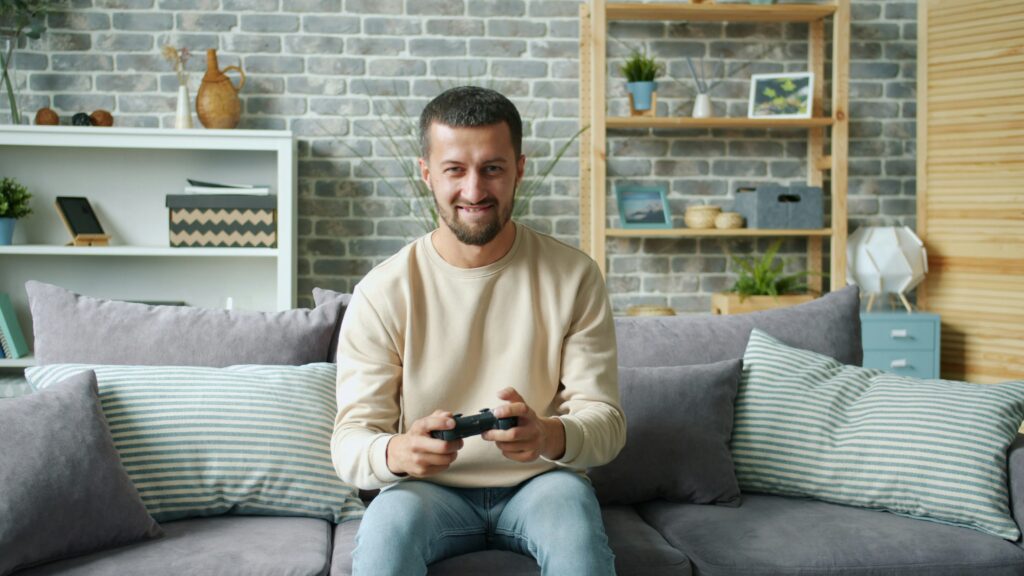
For the average outsider, gaming looks like a string of flashy scores and endless button mashing. But sit with any real gamer for a few minutes, and you’ll find it’s never just about the win. At its core, gaming is about passion raw, personal, and often unexplainable to anyone outside the world.
Escapism plays its part, sure. Games offer an out when life gets heavy a world you can shape, rules you can learn, and progress you can see. But for most, it’s about something deeper. It’s about testing your limits, overcoming friction, competing not just with others but your past self. Every hard fought boss fight, every perfectly timed move, is a small mastery earned.
And then there’s community. Whether it’s late night Discord calls, random teammates turned long term friends, or entire online tribes who just get your drive connection drives momentum. The shared grind means something.
Storytelling too is different here. Gamers don’t just watch narratives they live them. Choices matter. Actions ripple. The character arc isn’t just the hero on screen it’s the player, defining their path one interaction at a time. The interactivity makes it personal. You’re not just invested. You’re responsible.
These forces passion, freedom, rivalry, and belonging are the bedrock of the gamer’s mind. It’s more human than most people think.
From Frustration to Mastery
Getting good at games isn’t just about raw skill it’s a grind. Ask any top tier player and they’ll give you the same truth: every big win sits on top of a mountain of failed runs. Whether it’s mastering parry timing in a brutal boss fight or landing pixel perfect combos, the emotional ride is real. There’s euphoria when it clicks. There’s rage when it doesn’t. And in between? Hours of quiet, repetitive struggle.
But that struggle does something important. It builds mental armor. You learn to detach from instant results and trust a long term process. Losing becomes data. Frustration becomes fuel. It’s not about talent it’s about grit.
The best players hit plateaus like everyone else. What separates them is how they respond. They analyze, tweak one thing at a time, and grind smarter. They know the next breakthrough isn’t magic it’s usually sitting on the other side of ten more practice sessions, a new mindset, or asking the right question. Sometimes, it’s just refusing to quit today.
Growth in gaming mirrors growth in life: uncomfortable, honest, and always earned.
Meaningful Moments in Gaming Culture
Not every powerful moment in gaming comes from a high score or a tournament win. Some of the most impactful experiences happen quietly through connection, struggle, and those unexpected breakthroughs that stick with you long after the screen goes dark.
Personal Breakthroughs: When Gaming Goes Deep
For many players, video games aren’t just entertainment they’re a place for internal growth. Whether it’s solving a tough puzzle after hours of trial and error or finally mastering a difficult boss battle, these moments reflect persistence and personal evolution.
Overcoming emotional blocks: Games often mirror real life challenges, giving players a space to confront frustrations and fears.
Discovering strengths: Players frequently gain confidence by realizing they possess patience, strategic thinking, or perseverance.
Learning resilience: The cycle of failure and improvement in gaming builds mental toughness that’s transferable to everyday life.
Friendship Through Shared Strategy
Team based games and online matchmaking have turned gaming into a social lifeline for many. Bonds built over late night sessions and shared victories run deep.
Struggle breeds camaraderie: Surviving a grueling raid or mastering a co op mission forges trust and teamwork.
Communication under pressure: Games that require tight coordination often improve non verbal cues, decision making, and leadership.
Lasting connections: Many gamers report building real world friendships some even lifelong from digital meetups.
The Power of Community Impact
Gaming culture thrives on shared experience. Whether it’s a Twitch streamer creating a welcoming space or a Discord server that feels like home, meaningful micro communities have a massive effect.
Content creators as mentors: Streamers often guide newer gamers, offer educational content, or even advocate for mental health.
Fan led initiatives: Fundraisers, fan fiction, and mod communities spotlight how players give back.
A ripple effect of inclusion: As gaming grows more diverse, players from all walks of life are finding places to belong and be heard.
These are the moments that show gaming isn’t just about the game it’s about who we become and who we meet along the way.
Lessons from the Best

For elite players, it’s not about flash it’s about form. The ones who stay on top don’t do it by grinding endlessly or chasing hype. They build systems. Daily routines. Quiet habits that deliver results when pressure kicks in.
Preparation is everything. Whether it’s reviewing patch notes, analyzing replays, or mapping out button sequences until muscle memory kicks in, the best players treat training with surgical focus. It’s boring work with big upside because clarity under stress doesn’t come from wishful thinking.
Mindset also sets them apart. High level players know how to keep tilt in check and lose with purpose. Failure isn’t personal it’s data. That level of emotional control doesn’t just improve performance; it keeps burnout at bay.
Focused play is the secret weapon. No multitasking, no distractions. They log in with a goal: refine a specific skill, test a new strategy, support a struggling squadmate. Minute for minute, deliberate play beats long sessions of aimless grinding every time.
Want to see it up close? We pulled insights from direct top player interviews. The stories aren’t about wild talent they’re about dedication, structure, and relentless curiosity.
The Gamer Identity
Gaming isn’t a time out from life anymore it’s part of the flow. For a growing number of players, logging on is as routine as checking email or hitting the gym. They squeeze in a ranked match before work, study during loading screens, and catch favorite streamers like others follow podcasts. It’s daily, it’s deliberate, and it’s woven in.
But unlike the old stereotype, modern gamers aren’t retreating from reality they’re engaging with it differently. The drive to build, compete, connect, or simply master a complex game fits neatly alongside career goals, parenting duties, or student deadlines. These players understand bandwidth when to grind, when to pause, and how to make the digital serve the real.
This integration demands balance. Time is tight. Energy’s limited. But for the committed, gaming isn’t the escape it’s the accelerator. It fuels creativity, sharpens focus, and builds the kind of resilience that translates well beyond the screen. In 2024, gaming isn’t the thing you do when life is over it’s part of living it fully.
What We Can Learn From Their Stories
Gaming at its best isn’t just play. It’s a crash course in systems thinking and perseverance, served up through boss fights, team strategy, and failure loops. The top players don’t just react; they analyze. They map out variables, test hypotheses in real time, and adjust on the fly. That kind of thinking doesn’t stay locked in a screen it translates directly to how they solve problems outside the game.
Perseverance? That’s every gamer’s unofficial badge. Long before kids heard about grit in school assemblies, they were grinding past raid wipes or timing pixel perfect jumps after hours of failed attempts. Vets know the drill: frustration isn’t just part of the process it is the process. And how you deal with it defines the kind of person you become.
Across dozens of top player interviews, one thing cuts through: character gets built in the downtime. In the resets, the retries, the stubborn commitment to improvement. Those who succeed aren’t just talented they’re consistent, curious, and clock in like it’s a job, even when there’s no trophy on the line.
Gaming doesn’t distract from who you are. It reveals it and if done right, it sharpens what you bring to the rest of life.
Looking Ahead
Gamers aren’t just reacting to where the industry is going they’re steering it. When players talk about the future of gaming, three things come up over and over: deeper immersion, higher level competition, and gaming that does more than just entertain.
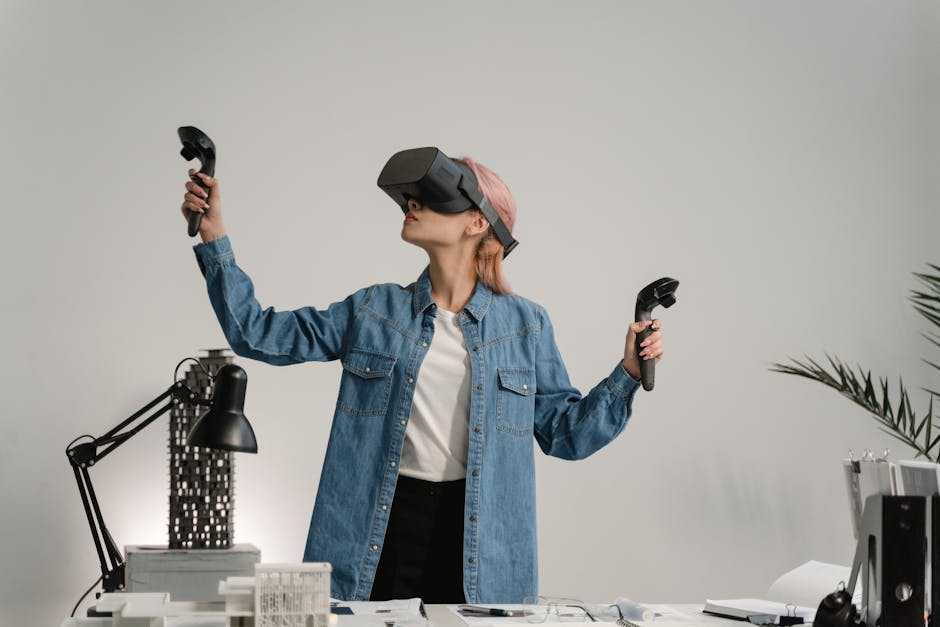
Immersive worldbuilding is evolving fast. Players want spaces that feel alive narratives shaped by their decisions, environments that echo the real world, and characters that don’t just react but actually grow with them. They’re pushing studios to get smarter with design, not just prettier with graphics.
Esports is settling in as a serious arena, not just a flashy sideshow. From high school leagues to pro franchise level investments, competitive gaming is gaining structure and respect. Players aren’t just logging in; some are building careers, communities, and entire identities around it.
And then there’s a rising focus on mental health. Games that offer calm, reflection, or emotional storytelling are growing. Players are looking for content that balances the grind with purpose experiences that help them process, connect, or even heal.
The phrase “gaming with purpose” isn’t an empty tag. It’s a shift in mindset. What used to be seen as pure escapism is now doubling as expression, therapy, learning, and activism. Gamers aren’t afraid to demand more from the medium, and in 2024, that demand is shaping the games themselves.
 Founder & Editor-in-Chief